
I'm Lauren Hooker
The graphic designer and business strategist behind Elle & Company


I help creatives transform their passion into a successful, profitable business through...
Hiring a business coach has been one of the best moves I've made for my business. Having an experienced, successful entrepreneur give objective, actionable insights is crucial for growth.
Wouldn't it be great to have instant access to customizable business card templates, workbooks, and even a printable planner for your business? I thought so, too, so I created The Library.
As a creative entrepreneur, you can't go it alone. These live, informal weekly webinars - Ellechats - cover pertinent topics within this industry and are chock-full of actionable tips for your business.
Teaching is one of my favorite aspects of this business. While I love writing and designing, courses allow me to go in-depth on topics like growing your freelance business and learning how to use Adobe Illustrator.
Once a week I send out an email with an actionable tip, insight, or strategy specifically for creative entrepreneurs. Think of it as an exclusive Elle & Company blog post in your inbox each week.
The Elle & Company blog is a gold mine filled with step-by-step tutorials and how-to posts. I share 2-3 new posts each week, all geared toward helping you design, launch, and grow your business.




My story
At the top of this page I told you that I’m a graphic designer, online business strategist, and entrepreneur.
What I didn’t tell you was that I never wanted those titles.
The graphic designer one, maybe. But the business strategist and entrepreneur part? I wanted no part of that.
I grew up in an entrepreneurial household - my dad owned a gym in our small hometown - and I saw how much hard work, stress, and time went into running a business.
I spent many weeknights and weekends in my dad's office or the gym lobby with my art supplies while my dad managed employees, cleaned, answered phones, gave tours, and kept up with finances. Even when we were on vacation he couldn't get away from all the tasks of running a small business - he was always on call.
Members of the gym would occasionally ask me if I would take over for my dad someday and I always replied with an emphatic, "No thank you!"
I promised that I would never, ever own a business.
Instead, I chose to follow my love of design and it led me all the way to getting my BFA in Visual Communication Design from Virginia Tech in 2012.
I landed a job at a startup right out of school as their sole graphic designer. I made a decent salary for a new college grad and I had benefits...
...but I also had a not-so-awesome boss. (Maybe you can relate?)
I spent that year working for a company I didn't love, under a boss I didn't love, designing graphics for a brand I didn't love. So I did what any antsy designer who's unhappy with their day job would do:
I started freelancing on the side.
The more work I took on outside of my 9-5, the more appealing the idea of starting my own business became.
I quickly realized something I hadn't realized before: Many creative entrepreneurs start a business because they want to live out their creative passion on their terms. And that's what makes the long hours and hard work worth it.
For my dad, it started with his passion to see others live a healthier lifestyle.
And for me, it started with my passion for design.
For you, it may have started with your passion for photography, illustration, blogging, cooking interior design, or any other creative field.
So passion is what got me started and gave me the boldness to quit my job and pursue Elle & Company full-time a little over 2 years ago.
But strategy is what's kept me going.
I learned very quickly that without doing my research and learning more about the business side of creative entrepreneurship, I wouldn't be able to draw in clients and make ends meet.
I was in the red for the first 6 months of my business and searched for helpful resources to point me in the right direction, but I struggled to find any that explained things simply.
So I figured things out by trial and error. And as I came across effective strategies and tips, I shared them on the Elle & Company blog.
And that's when my business began to grow and change.
Now my passion is two-fold. It started as a love of design but it's grown to a love of helping other creative entrepreneurs turn their creative talents into a successful, profitable business.
My all-time favorite Elle & Company blog posts
First impressions are crucial, especially in business.
Potential customers and clients make judgments about your business within the first few seconds of coming into contact with it, whether it’s through your website, your social media accounts, or a simple blog post graphic.
And those initial thoughts - whether they’re spot on or far off from what you want them to be - are within your control. You have the opportunity to make a killer first impression through high-quality, branded visuals.
If your blog is a large part of your business or you’re hoping to drive more traffic back to your site through your blog, you have to have eye-catching blog graphics to not only generate a positive first impression, but to encourage readers to share your posts on sites like Pinterest and be seen by an even wider audience.
So how do you create eye-catching blog post graphics? And better yet, how can you set them apart so they’ll stand out from the rest and be recognized time and time again?

“When I discovered YouTube, I didn’t work for 5 days.” - Michael Scott
Video platforms like YouTube (and more recently, Periscope) are easily the world’s greatest time-wasters. We’ve all been guilty of losing track of time on YouTube at least once, because videos are easily consumable, very addicting, and highly entertaining.
As a matter of fact, studies show that a whopping 78% of us watch videos online every week and 55% watch videos online every day.
Which is why Youtube is also the world’s greatest overnight-success-maker. If you’re on the production-side of a video and you’ve come up with a clever idea, you might just have a viral hit on your hands.
Video holds a lot of potential for interaction, engagement, and shares for creative businesses. And for that reason, it’s one of the best visual marketing tools you can use.
But it producing videos can be a little overwhelming, can’t it? Even with helpful video tools out there like Animoto, many of us struggle to come up with simple ideas for video content that would appeal to our audience.
And that’s where this post comes in. I’ve rounded up 40 easy, engaging video content ideas to help get your creative gears turning. My hope is that you’ll find a few ideas to implement and as a result, bring your business more exposure.
If you’re looking for a good way to kill at least an hour of your time, type in the word “infographic” in the Pinterest search bar.
Thousands of clever graphics will pop up on everything from “how to make a salad taste awesome” to a baby’s first year in a review. There’s even an infographic that answers the pressing question, “Is your dog sleeping a little too much?”
Then, after you’ve admired the genius creativity behind them, take a gander at how many repins and likes each of those infographics receives. Thousands upon thousands.
In fact, infographic volumes have increased by over 800% in 2 years. Publishers who use infographics grow in traffic an average of 12% more than those who don’t.
What is it about infographics that makes them so appealing? And better yet, how can you come up with some clever infographics for your business so it gains more exposure through likes and shares?
I have all the answers for you in this post.
Is your headline the first thing you consider when you sit down to write a post?
Probably not, but creating a catchy blog post title is one of the most important aspects of each blog post. It's the gateway to your content; it convinces people to click or scroll right past your latest post'.
In fact, studies show that 8 out of 10 people will read your headline but only 2 out of 10 will read your entire post.
Here are a few pointers for drawing in potential readers and a couple "templates" to help you create a catchy headline for your upcoming posts.
We’re all visual people to some extent, so it’s no wonder that Instagram is all the hype these days. The social media platform is addictive, free, and fun to use, which has great implications for creative businesses; it allows you to showcase your work/products in an unobtrusive, attractive, and personable way.
As a designer, Instagram has been especially helpful for my business. Several of my past, present, and upcoming design clients have found me through Instagram, and the larger my following becomes on the platform, the greater chance I have of drawing in clientele and blog readers.
This time last year I was close to reaching 1,000 followers, and today I’m somewhere around 11k. I’ve received several inquiries from readers lately who’ve asked me how I’ve grown my Instagram following, and although I’ve shared a couple posts in the past about Instagram landing pages and how to create the quintessential Instagram feed, I’m going in a little more detail today to share 6 things that I attribute to my organic increase in followers.
Passion gets you started, but strategy keeps your business running. Successful entrepreneurs know that in order to pursue what they love, they have to be smart about how they operate their business. And a business cannot operate without money.
Money can be an uncomfortable topic, but it’s a necessary part of entrepreneurship. While I love my job and consider myself blessed to design for clients all day long, Elle & Company is a business, not a hobby. In order to keep things running and bring in a steady income, I’ve had to be strategic and intentional about how I generate a profit from this business.
In typical Elle & Company fashion, I’m laying it all out for you in today’s post. Here are some insights on how I’ve created a consistent income from my freelance business.
I’ve recently shared a handful of posts on my client experience, from my 2-week design process to my custom project pages and the program I use to keep track of contracts and invoices. While I know that what works for me might not work for everyone reading this, my hope is that there might be a few insights within these articles that benefit you and make your process easier, more streamlined, and less stressful.
Up until this point I’ve shared all of the preparation, planning and organization that I perform on my end. But I’ve learned that in order to do my job well and provide my clients with my best work, it’s just as important for my clients to prepare, plan, and organize on their end, too. In order to help them gather all of their information and walk them through everything that I need for their designs, I’ve implemented a little thing that I like to call “client homework.”
There’s nothing worse than feeling behind in your work, especially when you’re juggling multiple client projects. Trying to keep up with 5 client timelines and deadlines at once can be stressful for a type-A designer, and being in a creative field where inspiration and ideas don’t always flow freely makes it even more difficult.
Last fall, after listening to me vent about stress, Jake threw out an idea. “What if you only took on one client at a time and cranked out their project in 2 weeks?” I responded by giving him an incredulous look and a laugh; he clearly had no idea how the design industry works. No one works with one client at a time, and if they do, they definitely don’t finish an entire brand, 4 collateral items, and a website in 10 workdays. That’s crazy!
It’s easy to equate someone’s success with their number of Instagram followers. We all do it, even if we’re unaware, when we click on a profile and see that someone has 30,000 followers. They must be pretty important and successful, right? But the longer I’m in business, the more I understand that thousands of Instagram followers amount to nothing if they aren’t engaged, rarely visit my website, and never book my services. It’s much better to have 100 loyal followers who show interest in what you’re doing than it is to have 10,000 followers who could care less.
And while it’s not a bad thing to grow your audience and expand your reach, I think more of an emphasis needs to be placed on content and strategically sharing posts that drive traffic to your blog and website. There’s a way to do this authentically - I don’t believe you have to put a sleazy sales pitch in every photo and description - but if your Instagram account is connected to your business, it would be silly not to use it point people back to your home base: your blog and website.
Pricing is time and time again one of the most difficult things to nail down as a business owner. You price too low and you aren’t able to make ends meet, but you price too high and you run the risk of scaring potential clients away. You’re faced with other tough questions as well, like will you charge per hour or per project? Will you require a down payment? Will you offer payment plans? Will you post your prices on your website or will you require visitors to inquire in order to receive a pricing guide?
Unlike many of my posts, this article isn’t a how-to; each business is different and should approach pricing carefully based on its goals, experience and clientele. Instead, I’m sharing my simple, straight-forward approach to pricing that’s allowed me to increase my prices, attract my ideal clients, and feel confident and content with what I’m charging. Although we might differ on a couple things, I hope these insights will help you be a little less intimidated by pricing your services.
When I first launched my branding services at the end of last summer, I struggled to find a way to streamline my client process. Many colleagues and bloggers suggested a couple different options and programs for keeping up with client communication and deadlines, but their systems never clicked for me. And like most creative entrepreneurs who are just getting started in their industry, my funds were tight and I couldn’t spend a large amount of money on project management software.
So instead of going along with what everyone else was doing, I used some creativity to develop my own system. I’m sharing it with you today knowing that my system might not work for all of you, but hoping that it encourages you to think outside of the box and come up with a clever way to make things work for your business.
Many creative entrepreneurs overlook how valuable Pinterest can be for their business and blog. These past 5 months I've seen Pinterest climb to the top of my site referrals in my analytics, and I've started to realize its potential for generating traffic and reaching a larger audience. Not only that, but I've had 3 design clients find my work through Pinterest, follow it to my site, and book my services. The power of this free social media platform is huge.
In an effort to help you grow your audience, drive traffic to your site, book clients, and generate sales, I'm focusing on the benefits of Pinterest today as well as sharing 7 ways that you can utilize Pinterest for blogging and business.
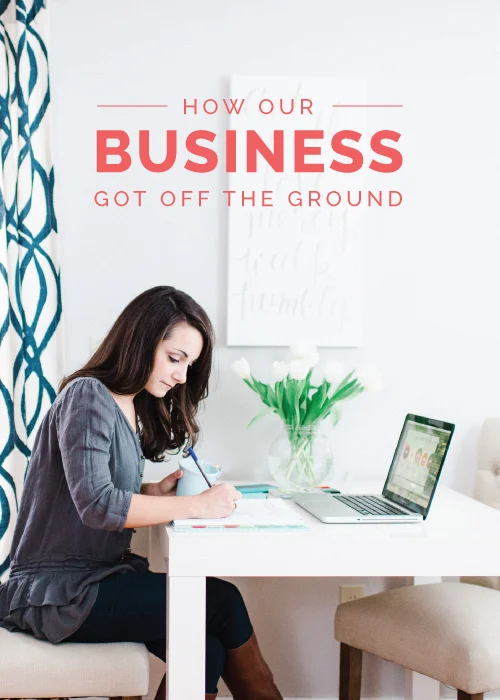
The longer I’m in business, the more frequently I’m asked how I started and grew Elle & Company. My answer is never extremely straightforward; there was no quick fix or simple trick that helped me find my footing in this industry, but there have been several monumental steps along the way that have helped me maintain a steady income and create a job I truly love. I always love hearing the story of how other people got started; it gives me a greater perspective and a connection with their business that I wouldn’t have had otherwise.
And to be honest, I’ve been hesitant to share this kind of post because I don’t want it to seem like I esteem myself highly or that I’ve “arrived.” In the past year of business, I’ve realized that you never arrive; you’re constantly coming up with new ideas, refining your process, and uncovering ways to run your business better. My goal in sharing this today is to tell you the story of Elle & Company, both the good and the bad, in order to give you insight on where this started and hopefully encourage you along in the story of your own blog or business.
8 out of 10 business fail within the first 18 months (source). That’s a shocking number, isn’t it? And after being in business for over a year now, I can see why that statistic is true; there is a lot more to entrepreneurship than creating your own work hours, being your own boss, and following your dream. I learned the hardest, most costly decisions within my first year, so today I’m sharing some of the most common business mistakes that I’ve run into. While many of life’s best-learned lessoned are often learned from personal experience, my hope is that many of these mistakes will help you stay proactive and avoid errors that could be detrimental to your business in the long-run.
Are you feeling uninspired about your blog content? Maybe you've been blogging for years and feel a little burned out, or maybe you're new to blogging and struggle to come up with posts that will attract your ideal readers.
One of my most frequently asked questions regarding the Elle & Company blog is how I come up with relevant content for readers on a consistent basis. And my answer is simple: brainstorm sessions with Jake. After months of partnering together to come up with solid blog post ideas, we've gotten our method down to a science. Jake asks me a list of questions, I scribble down answers in my sketchbook as fast as I can, and within 30 minutes I've come up with at least a couple months' worth of high quality content.
After 2 years of freelancing part-time, I cut the last tie this past summer and made the leap to designing full-time for Elle & Company. Since then, I’ve received several inquiries from other aspiring full-timers on how I made the transition. And while there’s no magic formula for making the leap and everyone’s journey looks a little different, there are some practical ways to make a smooth transition. Here's a look at the 7 practices that played the largest role in moving from part-time freelance to full-time design!

"It's always a great idea to create excitement over your blog and business." I find myself telling this to my clients and peers on a weekly basis, and it's a practice that has played a large role in the increased following of Elle & Company. It's always smart to find ways to stay in the forefront of your readers' minds and keep them coming back for more. Generating buzz about your blog and business gets your followers involved and allows you to connect with them, which in turn builds trust, increases sales, and encourages reader and customer loyalty.
So today I'm sharing 30 simple, effective ways that you can create excitement and generate a buzz about your blog or business. Many of these ideas can be combined, added onto, or built upon, and I encourage you to get creative and make them your own; these ideas will be most helpful for you if they're relevant and appealing to your ideal audience.
It's natural to want to hoard the tips and strategies that have helped you become successful. I've had several business and blogger friends who are reluctant to share their secrets for fear that others in their industry will learn their ways and rob them of business or page views. But withholding your secrets could be holding you back from a major opportunity to grow your blog and business. And here's why.
Inspiration boards are the foundation for each Elle & Company client design project. Before I begin creating logo concepts or illustrating patterns, I always start by pulling inspiration from photos and compiling them into a clean and cohesive inspiration board. This step is fundamental to my creative process, and it has proven to be effective time and time again for helping me come up with original concepts that my client is happy with.
SEO is one of those topics that has the potential to make your eyes glaze over.
If you have a blog or a website, you're probably aware that SEO is important for gaining traffic and ranking high in Google searches, but chances are, you might be a little intimidated by it all and unsure of where to start. Jake is my lifesaver when it comes to helping me with Elle & Company's search engine optimization, and today he's sharing the basics to help you get started and improve your SEO, too.
How can I quickly grow my blog?
It's the question on every blogger's mind, whether you're blogging for your business or you're hoping to monetize your blog in the future. While stats and numbers aren't everything, higher blog traffic helps you attract new customers, gain sponsors, and book clients; it expands your reach and your market.
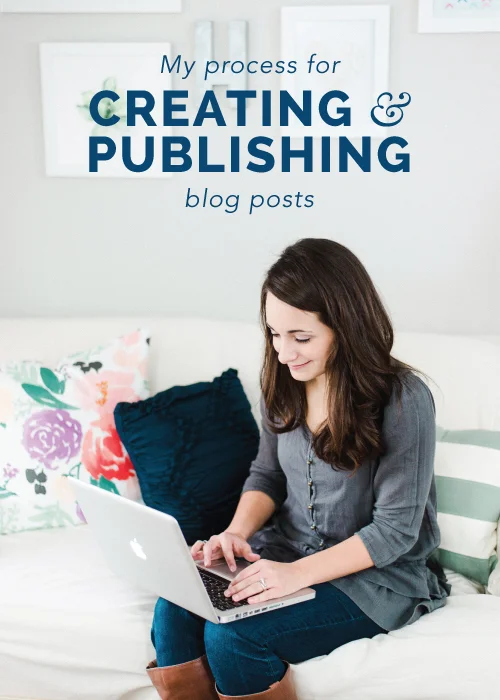
Blogging is one of those things that seems simple in theory and winds up being difficult in practice; what starts out as a simple concept can easily turn into hours of outlining, writing, revising, linking, editing, and sharing. This past year I've learned that it's helpful to have a system in place to cover all my bases, and I've almost gotten my process down to a T. Today I'm giving you a peek at my process so that you might take away a couple helpful insights that make creating and publishing blog posts less frustrating and more efficient for you.
My husband reads Entrepreneur.com like most people check Instagram. He often comes across helpful reads and sends them my way, and the majority of them have given me great tips and insight on running my business. One article in particular has changed the way I approach a common obstacle in the day-to-day operations of business and blogging: handling competition.



Adobe Illustrator is my go-to software for anything and everything design-related. It's the one program I truly couldn't work without.
And while it's easy to assume that the program's primary focus is illustration based on the name, there is so much more to this design software.
With tools for type, color, photo cropping, image tracing, drawing, and much more, it has innumerable benefits for bloggers and business owners, alike.
To get your creative gears turning, here's a look at 40 ways Adobe Illustrator can take your blog and/or business to the next level.